Training-Cum-Orientation Programme for Newly recruited officers of Delhi Judicial Services on 13.10.2025
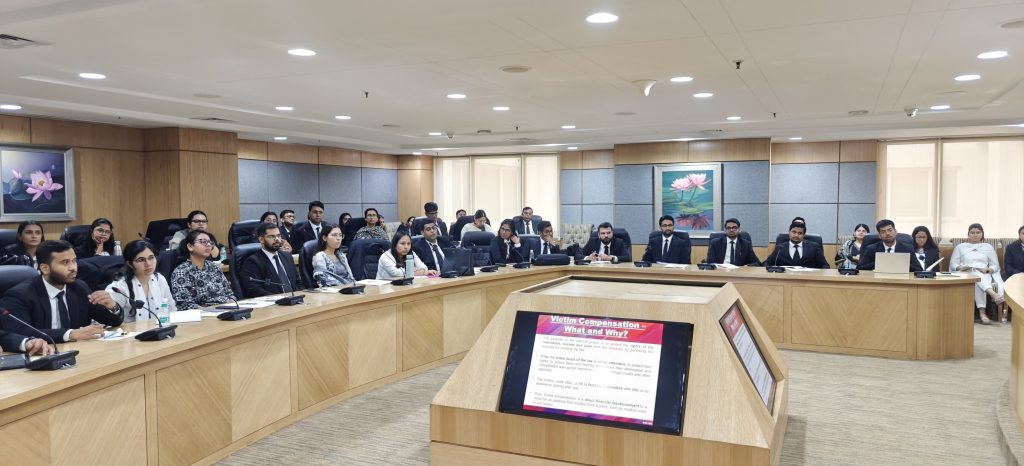
On October 13, 2025, the Delhi State Legal Services Authority (DSLSA) convened an intensive training-cum-orientation programme for 50 newly inducted officers of the Delhi Judicial Services, coinciding with their institutional attachment to the Authority. The programme was meticulously designed to impart an in-depth understanding of the statutory framework and operational dynamics of the Legal Services Authorities Act, 1987, thereby acquainting the trainee officers with the multifaceted mandate and structural composition of the legal services institutions.
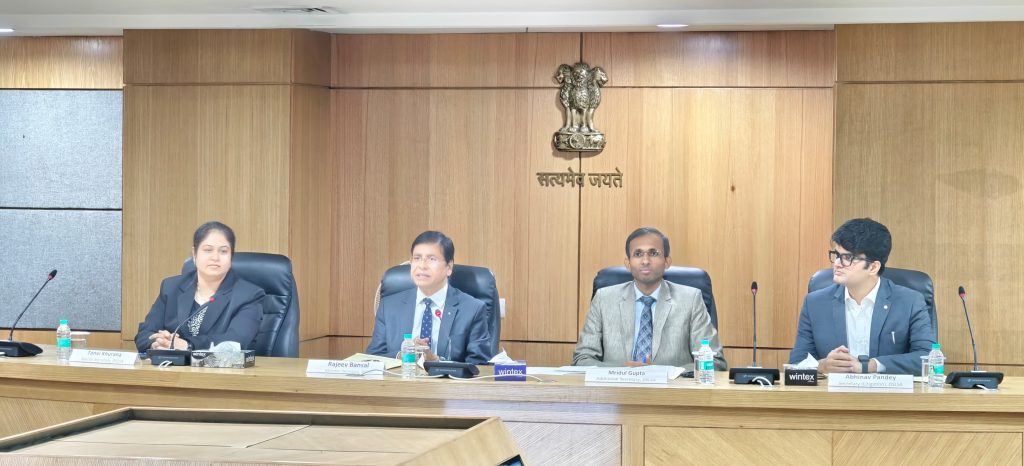
The interactive session was graced by the august presence of senior officers of the DSLSA, namely, Sh. Rajeev Bansal, Ld. Member Secretary, Ms. Tanvi Khurana, Ld. Special Secretary, Sh. Mridul Gupta, Ld. Additional Secretary and Sh. Abhinav Pandey, Ld. Secretary, (Litigation). The dignitaries elucidated upon the conceptual foundations, legislative intent, and institutional responsibilities envisaged under the Legal Services Authorities Act, 1987, as well as the pivotal role of the DSLSA and District Legal Services Authorities (DLSAs) in effectuating the constitutional promise of access to justice. Furthermore, Ms. Tanvi Khurana, Ld. Special Secretary, Sh. Mridul Gupta, Ld. Additional Secretary delivered a comprehensive exposition on the Delhi Victims’ Compensation Scheme, 2018, delineating its procedural intricacies and jurisprudential significance.
The post-lunch session entailed the formal attachment of the trainee Judicial Officers with the Secretaries of various DLSAs for a structured practical training module, which is scheduled to continue until October 18, 2025. This field attachment has been envisaged to provide the officers with immersive exposure to the functional modalities of critical legal service domains, encompassing Front Offices, Children’s Homes, Legal Services at Juvenile Justice Boards (JJBs), Legal Services Clinics at Jails, Legal Services at Child Welfare Committees (CWCs), Help Desks, and Police Stations, thereby fostering a pragmatic comprehension of the legal aid delivery mechanisms.
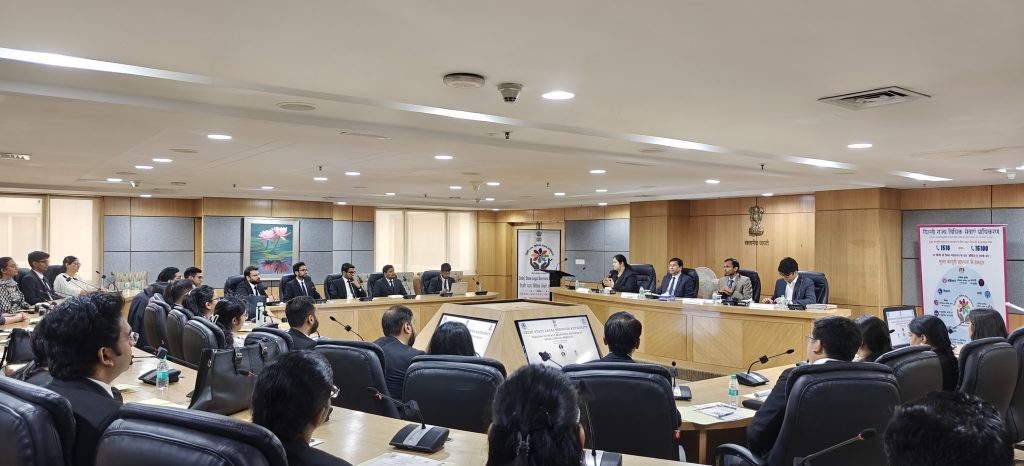
Training-Cum-Orientation Programme for Newly recruited officers of Delhi Judicial Services on 13.10.2025
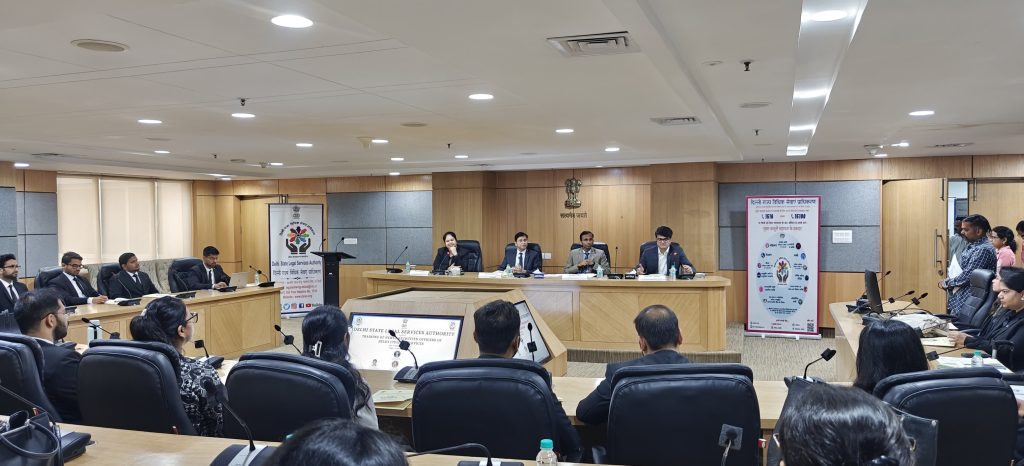
Training-Cum-Orientation Programme for Newly recruited officers of Delhi Judicial Services on 13.10.2025
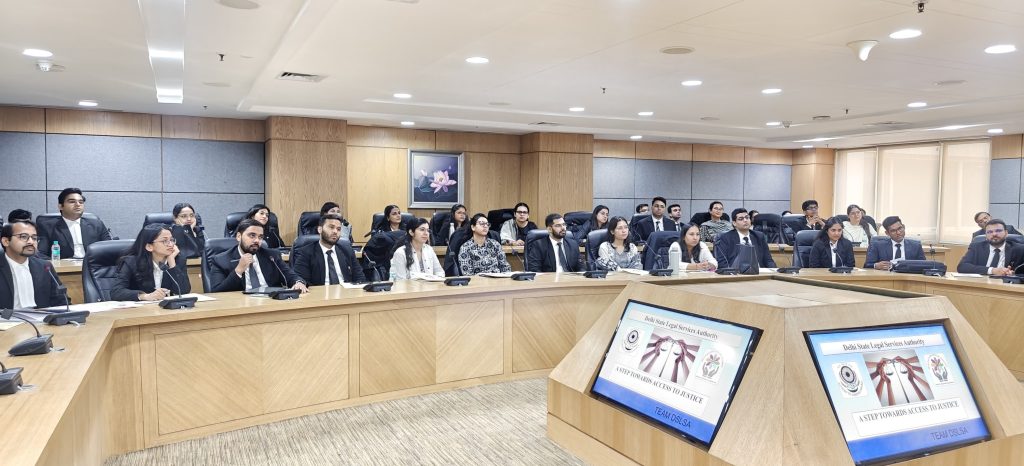
Training-Cum-Orientation Programme for Newly recruited officers of Delhi Judicial Services on 13.10.2025
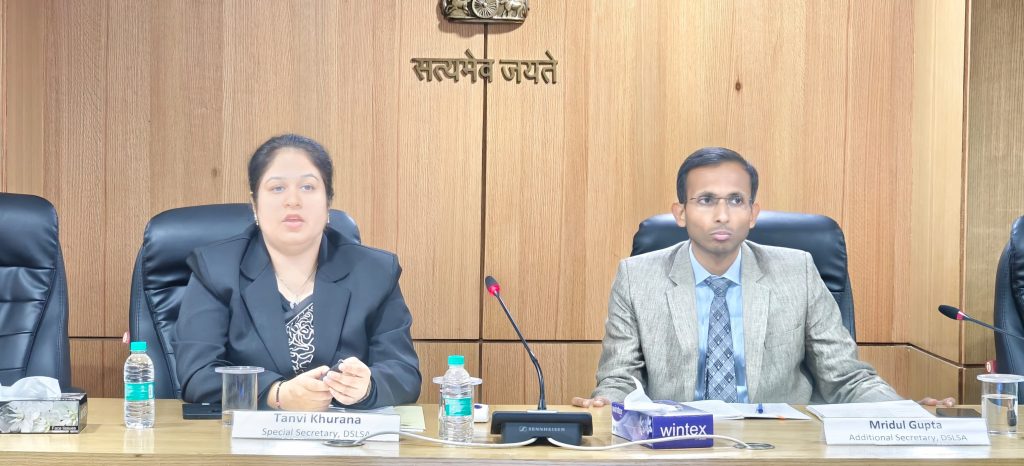
Training-Cum-Orientation Programme for Newly recruited officers of Delhi Judicial Services on 13.10.2025

Training-Cum-Orientation Programme for Newly recruited officers of Delhi Judicial Services on 13.10.2025
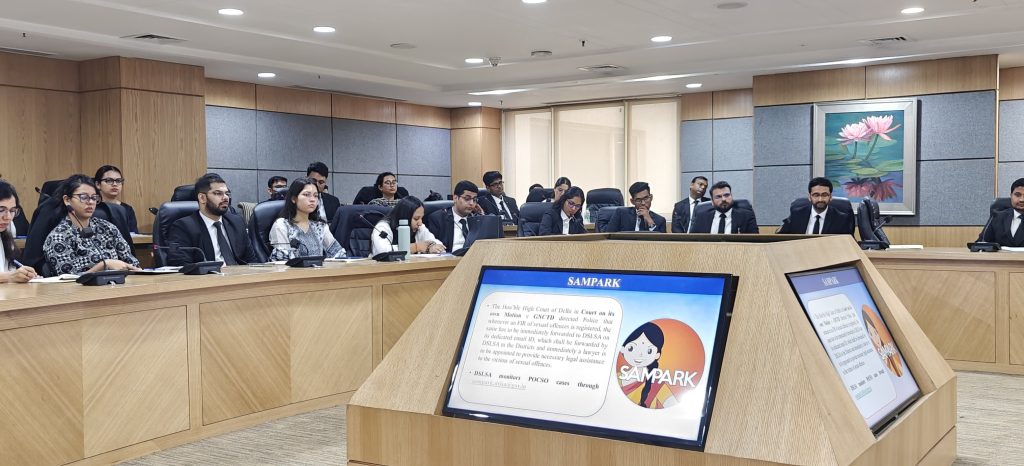
Training-Cum-Orientation Programme for Newly recruited officers of Delhi Judicial Services on 13.10.2025
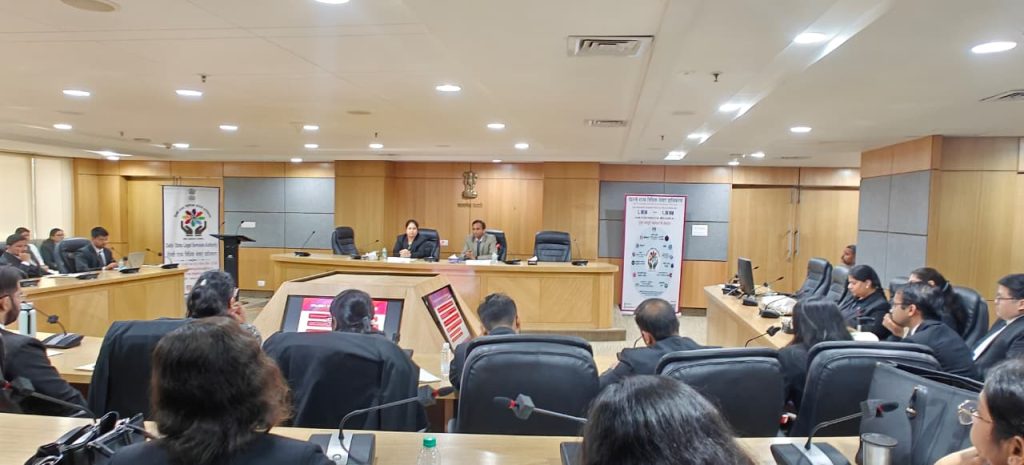
Training-Cum-Orientation Programme for Newly recruited officers of Delhi Judicial Services on 13.10.2025